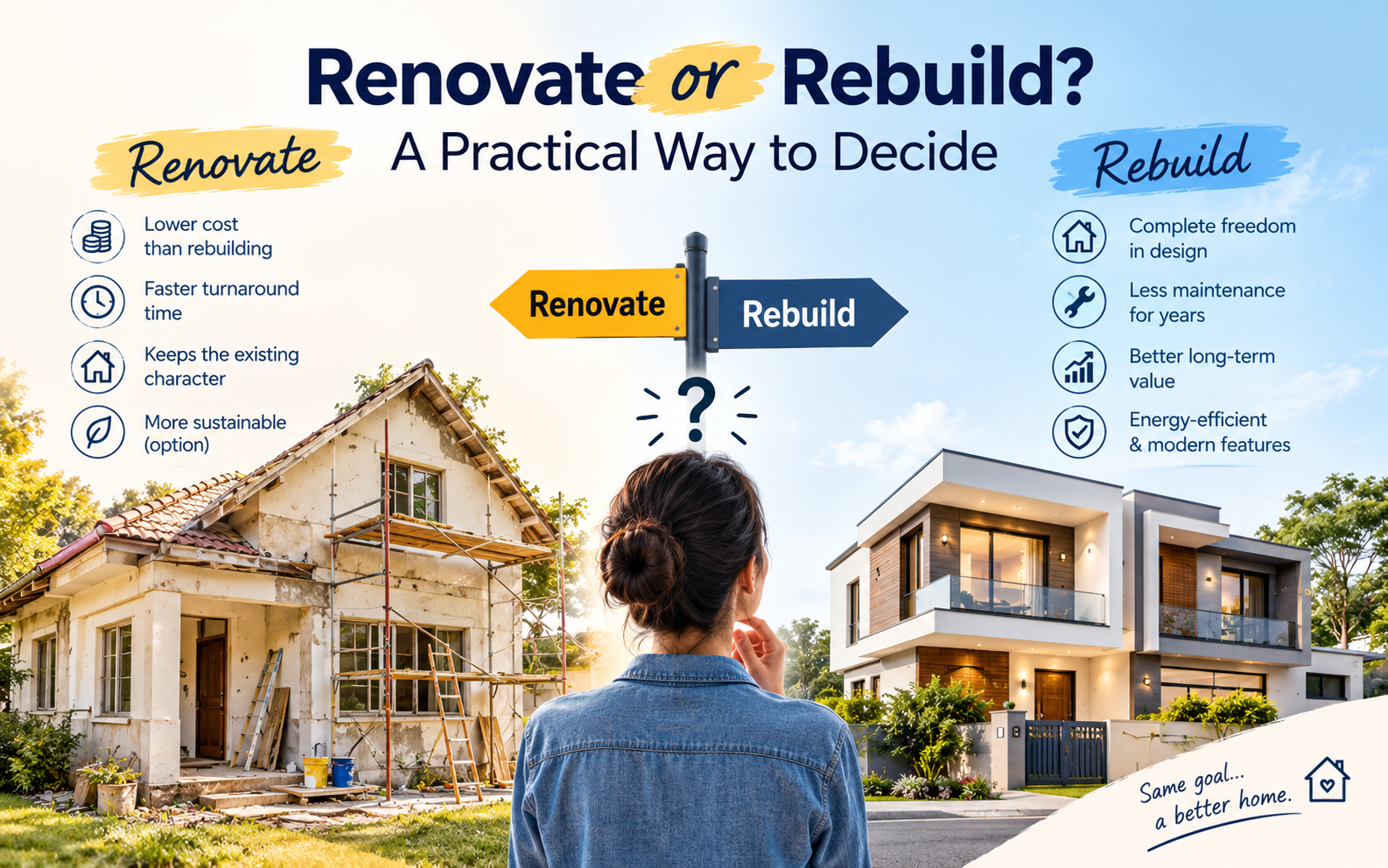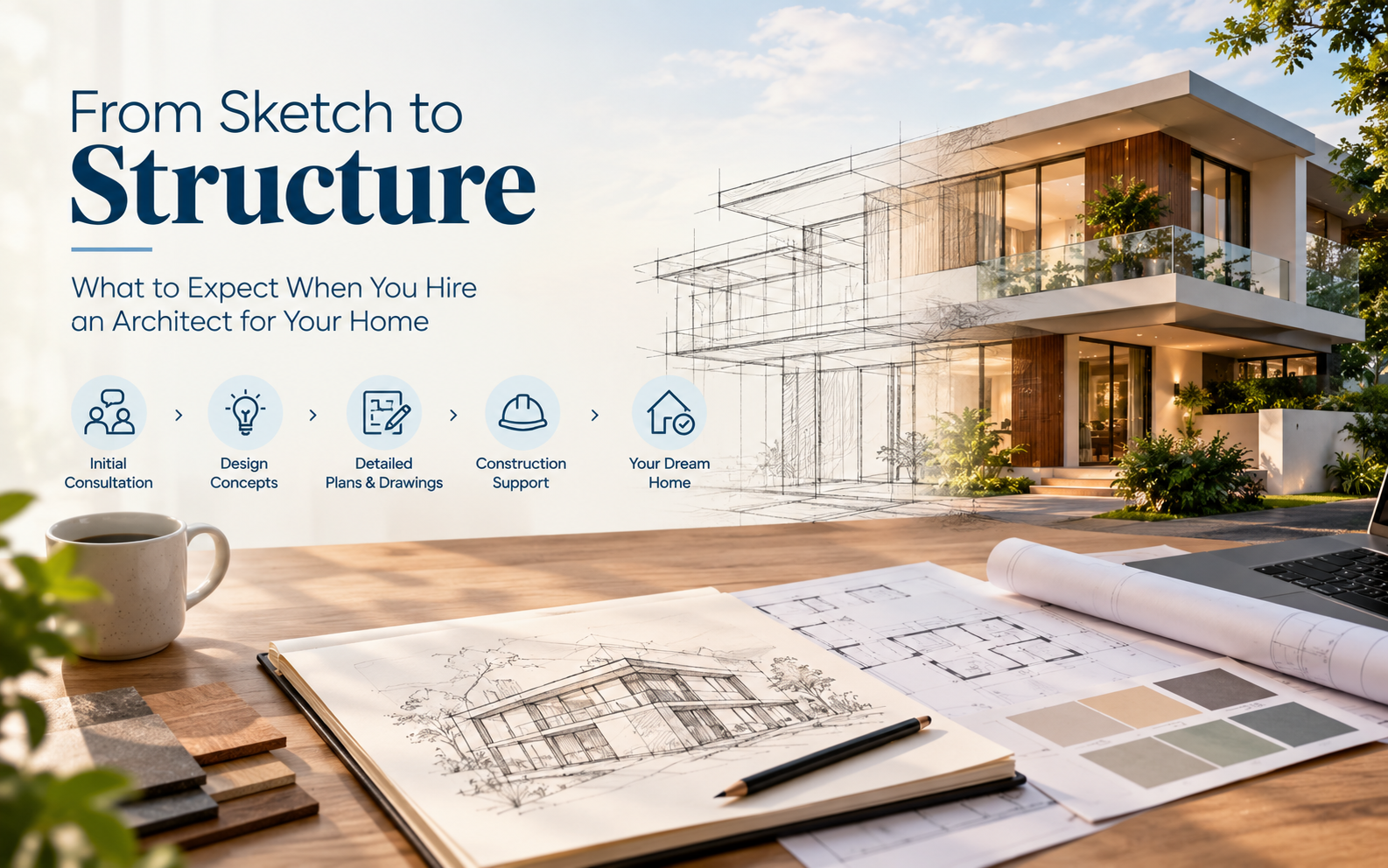
Every successful building begins long before the first brick is laid. Careful architectural planning is the foundation of a safe, functional, and visually appealing structure. Investing time in proper planning helps homeowners avoid costly changes during construction and ensures better long-term value.
What is Architectural Planning?
Architectural planning involves understanding the client's requirements, evaluating the site, designing efficient spaces, preparing technical drawings, and ensuring compliance with local building regulations.
It creates a clear roadmap for the entire construction process.
Advantages of Proper Architectural Planning
1. Optimized Space Utilization
A well-designed floor plan maximizes every square foot, creating spaces that are practical, comfortable, and easy to maintain.
2. Better Natural Lighting and Ventilation
Proper orientation and thoughtful design improve airflow and maximize natural light, reducing energy consumption while enhancing indoor comfort.
3. Cost Savings
Detailed planning minimizes design errors, material wastage, and unexpected construction modifications, ultimately reducing project costs.
4. Structural Safety
Architectural planning works alongside structural engineering to ensure that every component of the building is safe, durable, and built according to engineering standards.
5. Improved Property Value
Well-planned homes and commercial buildings are more attractive to buyers and typically command higher market value due to their functionality and aesthetic appeal.
The Role of Technology
Modern architectural firms use advanced 2D drawings, 3D floor plans, elevation designs, and visualization tools that allow clients to see their future project before construction begins. This improves decision-making and reduces design revisions.
Choosing the Right Architecture Partner
When selecting an architectural firm, look for professionals who provide comprehensive services, including planning, structural design, engineering consultation, approvals, construction management, interior design, and project execution. Having all these services under one roof ensures better coordination and project efficiency.
Conclusion
Architectural planning is not just about creating beautiful buildings—it is about designing spaces that are safe, sustainable, functional, and built to last. By partnering with experienced architects and engineers from the beginning, you can achieve a project that perfectly balances design, quality, and long-term value while avoiding unnecessary delays and expenses.